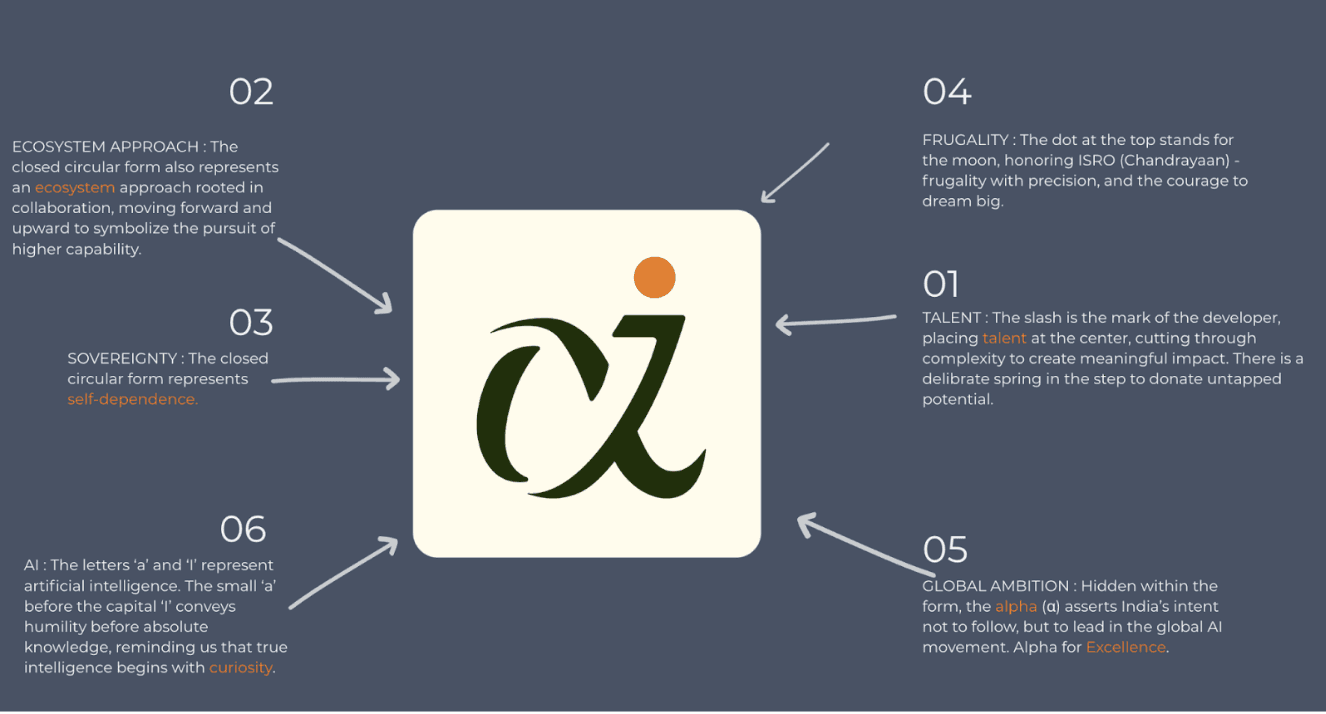
Where the India AI Opportunity Lies - and the Genesis of the Indian AI Research Organisation (IAIRO)
Engaging the world's most popular leader
A moment of possibility, and the making of an institution
India has a long and slightly mischievous habit of leapfrogging. We missed the Industrial Revolution, then quietly made up for it during the internet and mobile eras. Artificial Intelligence, often called the fourth industrial revolution, arrives at a moment when the global scoreboard is unusually open. At the application layer, there is no uncontested winner. The race is wide, the lanes are unclaimed, and the rules are being rewritten in real time.
Unlike the United States or China - countries investing billions into massive AI infrastructure - India’s opportunity lies elsewhere: smaller, smarter, enterprise‑specific models that solve real problems. It is a strategic opening. India does not want to follow in AI; it intends to lead. That intent is visible in national policy, industry alignment, and a renewed ambition across academia.
Indian engineers and researchers have powered global technology companies for decades. Yet only a handful of Indian institutions command true global leadership. As global uncertainty rises, many Indian‑origin technologists are re‑evaluating where their work - and their lives - should be anchored. What has endured through this transition is confidence: confidence that India can build sovereign, globally relevant AI systems tailored to its own needs and values. That confidence is the soil from which the Indian AI Research Organisation (IAIRO) emerged.
IAIRO is conceived as a nation‑scale response to a nation‑scale opportunity: developing Sovereign AI to support India’s strategic autonomy. This is a bold ambition. China spends roughly 2.5% of a GDP five times India’s, hosts many of the world’s top AI institutions, and deploys talent at scale. The United States spends even more - about 3.5% of GDP nearly nine times India’s - backed by the world’s wealthiest technology companies. India’s answer is not brute force. It is precision.
The inspiration is unmistakably Indian. When India landed Chandrayaan‑3 near the Moon’s south pole in August 2023, it did so on a budget of roughly $75 million. The lesson was not about spending less; it was about thinking better—frugal, focused, world‑class. IAIRO aims to bring that same ISRO‑style discipline to AI: prototype‑to‑product pathways tightly coupled with real industrial demand.
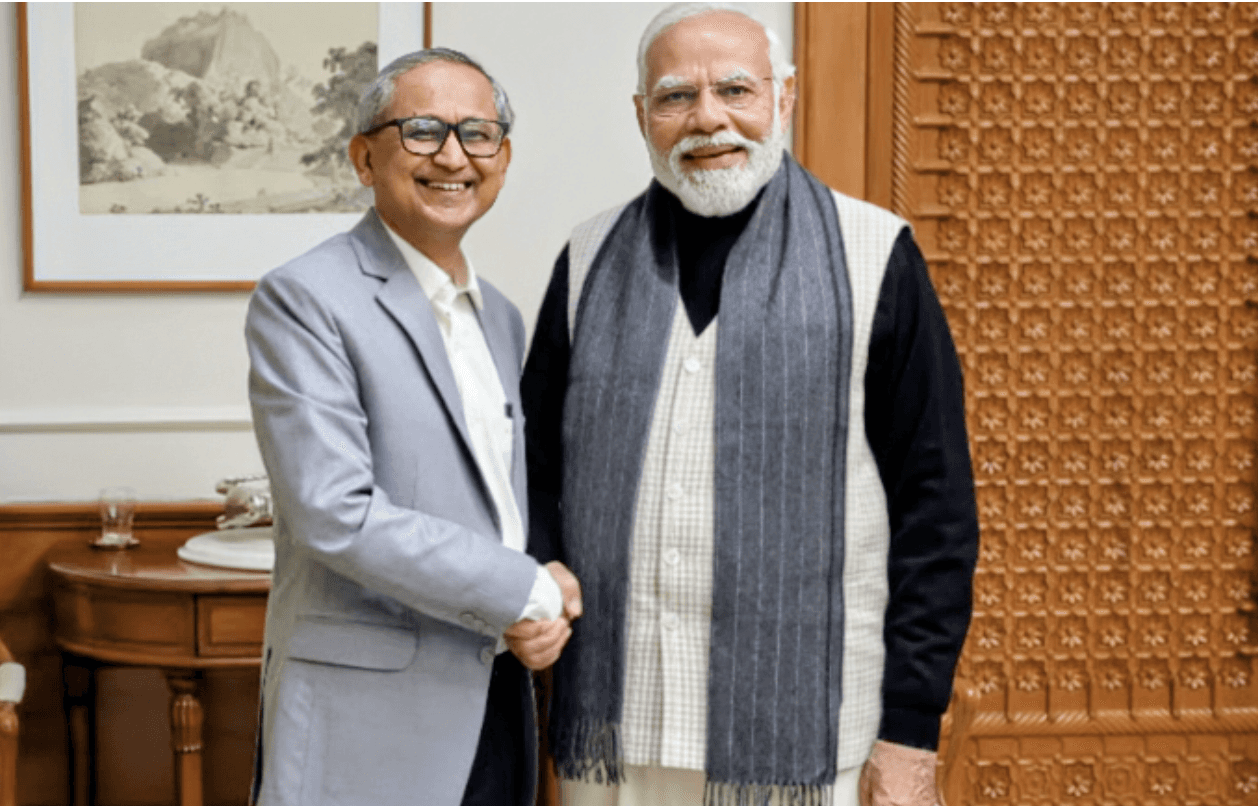
A pivotal moment came on 27 December 2023, when the Honourable Prime Minister met Amit Sheth, a globally recognised AI pioneer with more than four decades spanning research, startups, and institution‑building. Their conversation ranged across AI research, national priorities, and practical deployment in health, climate, pharma, education, and governance. At its conclusion, the Prime Minister suggested GIFT City as the home for turning these ideas into reality and invited Prof. Sheth to deliver the inaugural keynote at the Conference of Chief Secretaries.
That exchange triggered a chain reaction: policy alignment, ecosystem confidence, and a clear signal that government, academia, and industry could collaborate without diluting autonomy. The idea had momentum and structure mattered.
IAIRO was therefore designed deliberately. It operates as a fully autonomous, PPP‑based Section 8 organisation under the Ministry of Electronics and Information Technology, aligned with the IndiaAI Mission, the Government of Gujarat, and anchored by the Indian Pharmaceutical Alliance. Autonomy was non‑negotiable. Without it, excellence collapses into a process.
At its core, IAIRO exists to do three things - simultaneously.
First, advance frontier AI research that produces sovereign intellectual property and top‑tier talent, with early focus on pharma, health, education, energy, sustainability, and urban systems.
Second, replicate ISRO’s frugal, high‑impact research‑to‑product model at a time when global research funding is under stress. India’s opportunity is to build long‑term returns on research by tightly coupling discovery with deployment.
Third, create economic and societal impact: deep‑tech startups, industry partnerships, and national‑priority deployments in areas such as climate resilience, healthcare delivery, and education at scale.
Talent is the final, critical piece. Breakthrough research happens when researchers, engineers, students, and industry practitioners collide daily - physically, intellectually, productively.
Leading this effort, Prof. Sheth brings a rare combination of depth and range: over four decades in US academia, three AI startups spun out of university research, and more than 55 PhD and postdoctoral mentees now leading labs, companies, and institutions worldwide. His approach is Gurukul‑like in the best sense - long‑term mentorship, early bets on high‑risk ideas, and environments where ambitious work compounds.
IAIRO’s founding team reflects the same philosophy: senior professors, experienced operators, and venture leaders working together so the organisation never drifts into academic isolation.
This is the genesis of IAIRO: a frugal, sovereign, research‑to‑deployment institution built for decades- designed to ensure that when the history of AI leadership is written, India is not a footnote, but a chapter.
Relevant Resources on the path to IAIRO
Meeting HonPM Modiji, the Keynote to the 3rd Annual Conference of Chief Secretaries discussing India’s unique playbook in AI (attended by 150+ officers, such as S. Krishnan, Abhishek Singh, all chief secretaries, etc.), Dec 2023
Articles on Prof. Sheth’s views on AI for India, AIM Leadership Council talk on 26 March 2025
Concept paper: Sovereign AI for India: Talent for Deeptech research and innovation, Apr 2025
Focused Research Organization (FRO Concept): SAI-ISA: Sovereign Artificial Intelligence Institute for Strategic Autonomy (presentation to MeitY and other stakeholders at iSPRIT organized Samagam program)